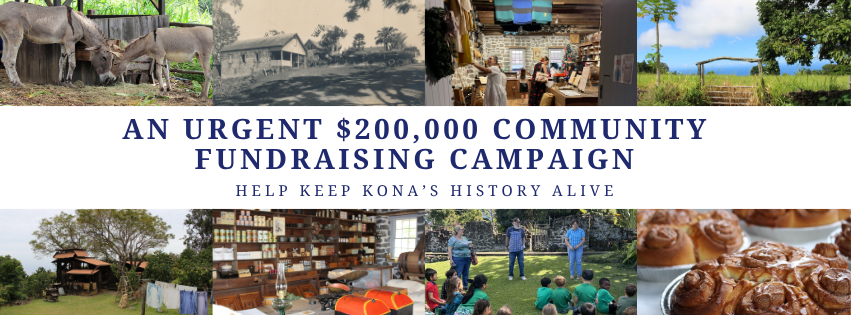
Membership is one of the best ways you can support the Kona Historical Society’s mission of collecting, preserving, and sharing Kona’s stories and unique sense of place. Kona Historical Society’s members are a thriving community of friends, families, visitors, and neighbors who enjoy taking part in Kona’s colorful history and rich culture.
VISIT THE ARCHIVE
What started with a handful of images in 1978 has grown to a sizeable archive of records that tell the stories of post-contact life in Kona. From coffee farming, ranching, and the family-run stores that once lined Mamalahoa Highway to the experience of everyday life of the various ethnic communities on our island, our collections are a great way to journey through Kona’s rich history.
Our Mission:
ENRICH · INSPIRE · INFORM
The Kona Historical Society will preserve the history of Kona to enrich, inspire, and inform our community and visitors. We will do this through collecting, preserving, researching, interpreting, and disseminating the history of Kona.
The Kona Historical Society relies on support from donors like you to help us serve our mission
C.Q. Yee Hop Ranch Oral Histories Project
This oral histories project preserves the stories and lived experiences of individuals connected to the C.Q. Yee Hop Ranch and neighboring ranching communities in South Kona. Together, these narratives document a unique way of life shaped by ranching, family, and the diverse cultural landscape of Kona.
The history of the ranch traces back to Chun Quon, who was born in China in 1867 and arrived in Hawaiʻi in the late 19th century. After establishing himself as a merchant in Honolulu, he founded the Yee Hop Company and later C.Q. Yee Hop & Company. In 1913, he entered into a partnership with the Ontai brothers of Olelomoana Ranch, expanding operations across approximately 25,000 acres of land in South Kona.
While ranching was the primary focus, the discovery of abundant koa and ʻōhiʻa forests in the region led to the development of a thriving woodcraft industry. Through the Hawaiian Hardwood Company, these natural resources supported furniture production and contributed to wartime efforts during World War II. The ranch also provided employment for many local families, reflecting the interconnected relationships between land, labor, and community.
The oral histories in this collection offer personal perspectives that bring this history to life—highlighting daily life on the ranch, generational knowledge, and the enduring legacy of South Kona’s ranching communities.
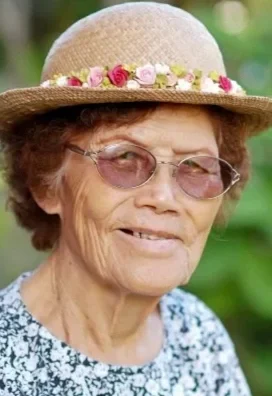
Gladys Grace Ontai
This oral history interview with Gladys Kukana Grace Ontai documents her life and experiences growing up in South Kona, Hawaiʻi, in the early 20th century. The interview covers her family background of Native Hawaiian and Chinese ancestry, her upbringing under the care of her father and grandmother, and the subsistence lifestyle practiced in rural Kona communities. Key topics include ranching and cowboy life, coffee farming, kalo (taro) cultivation, and household labor, as well as the economic importance of lauhala weaving. Grace also discusses cultural practices such as ʻŌlelo Hawaiʻi (Hawaiian language) use, traditional medicine, storytelling, and spiritual beliefs. Additional themes include education, migration to Honolulu for work, multicultural community interactions, and the transition from rural to urban life. The interview provides insight into intergenerational knowledge transfer, community cooperation, and the social and economic conditions of ranch-era Hawaiʻi.
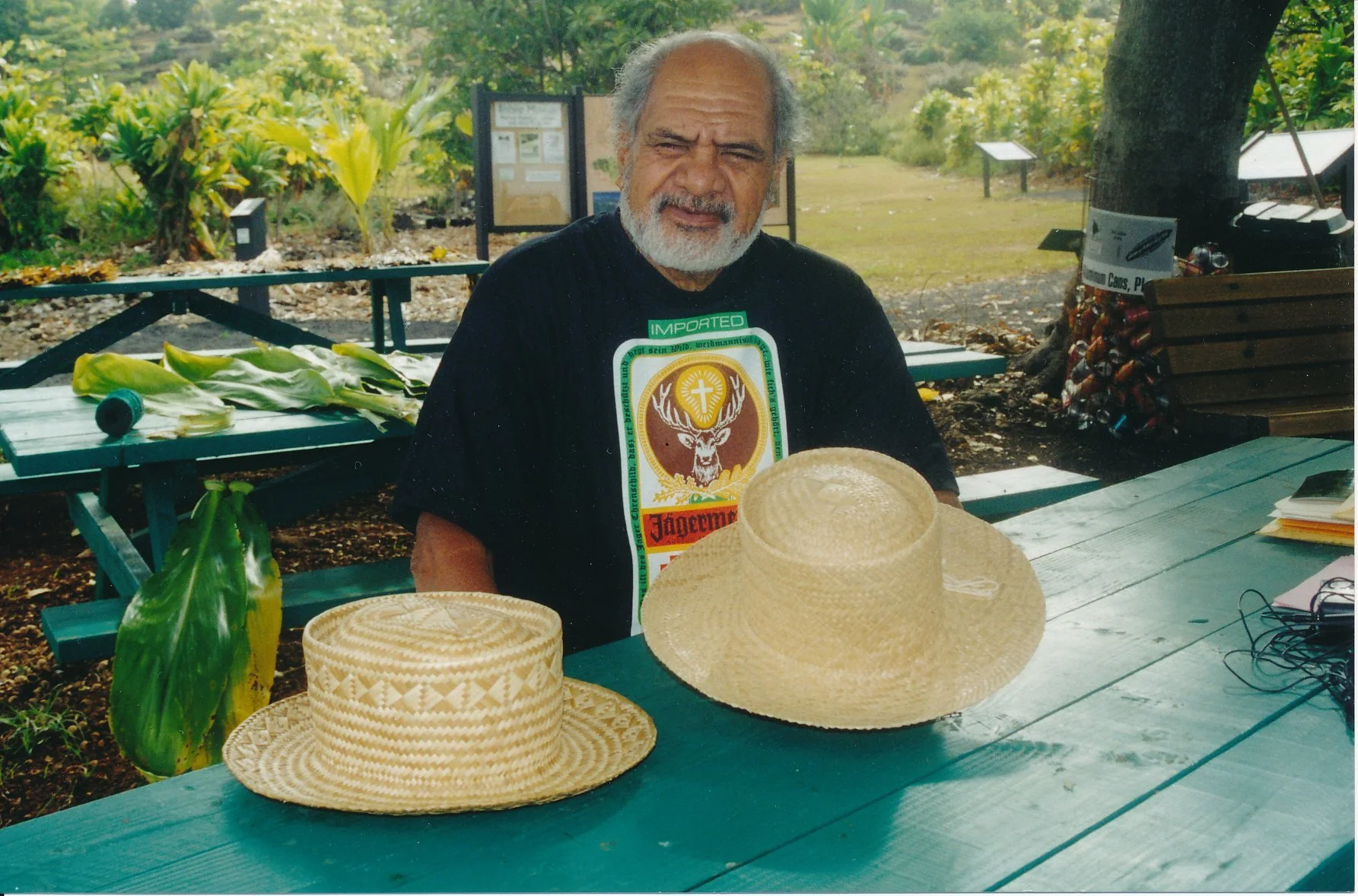
Blue Kema
The oral history of Wallace Puako “Blue” Kema provides a vital firsthand account of life in rural South Kona during the early to mid-20th century, illustrating how communities sustained themselves through a blend of subsistence practices, ranch labor, and strong social networks. Through his experiences growing up in areas like ʻŌpihihale and working for rancher C. Q. Yee Hop, Kema reveals the everyday realities of paniolo culture, multi-ethnic community life, and informal economies that are often overlooked in traditional historical narratives. His recollections not only document disappearing practices such as fishing, farming, and resource sharing, but also highlight how local people adapted to environmental challenges like the 1950 eruption of Mauna Loa. Ultimately, this oral history is significant because it preserves the lived experiences and cultural knowledge of a generation whose stories deepen our understanding of Hawaiʻi’s social and economic transformations.
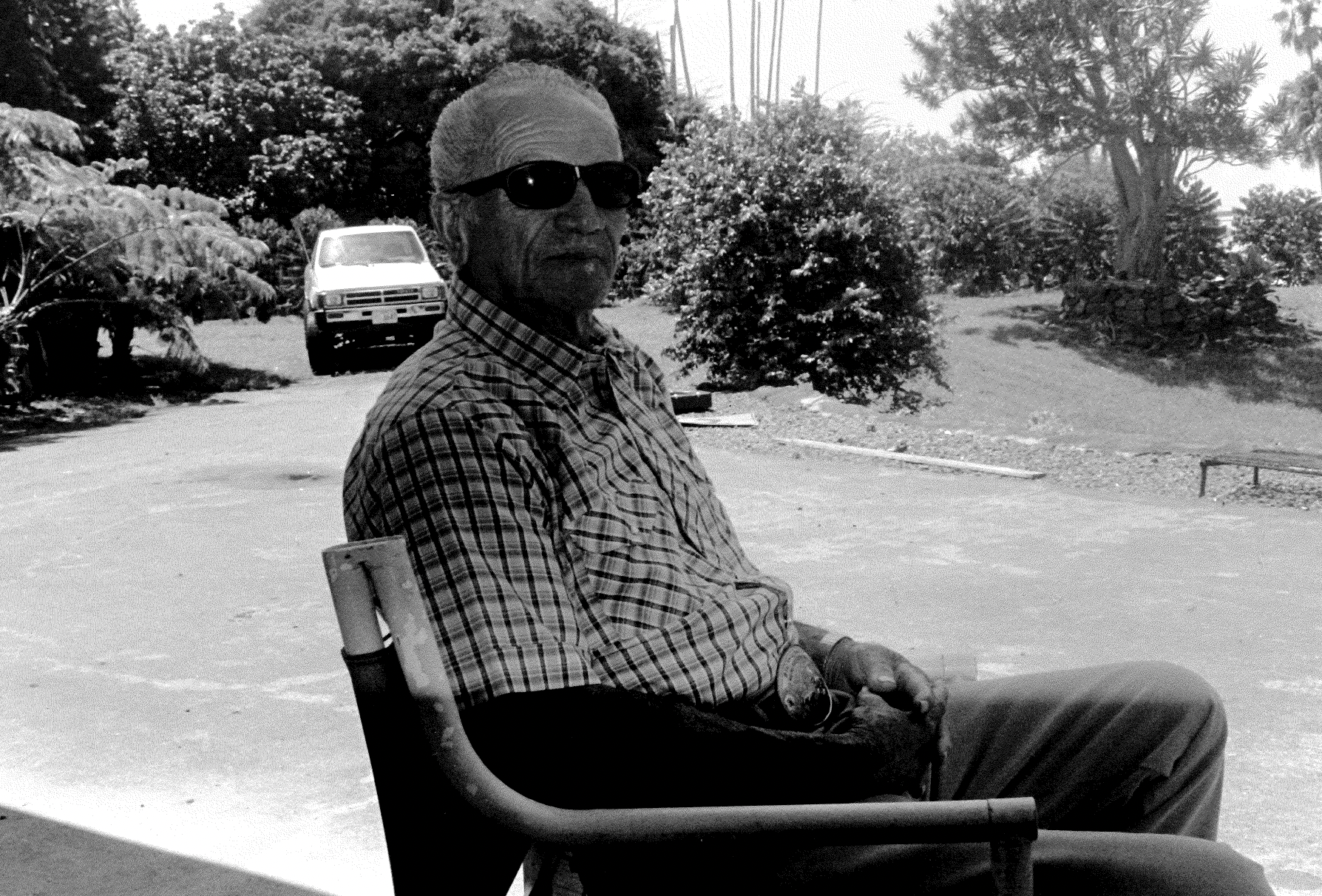
Medeiros, John Bernard Jr.
This oral history interview with John Bernard Medeiros, Jr., conducted in August 1999 in Honomalino, South Kona by Kuʻulani Auld, documents Medeiros’s early life, family background, and experiences growing up in rural Kona during the early to mid-20th century. The interview relates information spanning roughly the 1930s through the 1960s, with particular emphasis on Medeiros’s youth in South Kona and his transition into adulthood. He recounts his birth in 1927 at Kona Hospital and his upbringing, highlighting the importance of extended family networks, including the Kalani family. Medeiros discusses his experiences becoming a cowboy and his work on C.Q.Yee Hop Ranch, McCandless Ranch and Puʻuwaʻawaʻa Ranch, providing insight into ranching practices, labor conditions, and daily life within Hawaiʻi’s cattle industry. The interview also reflects on his grandparents’ involvement in ranch labor, particularly cowboy work for the Greenwell family, and offers perspectives on dairy operations and subsistence living. Overall, the narrative highlights themes of rural community life, multi-generational households, agricultural labor, and the social and economic structures that shaped life in the Kona district.
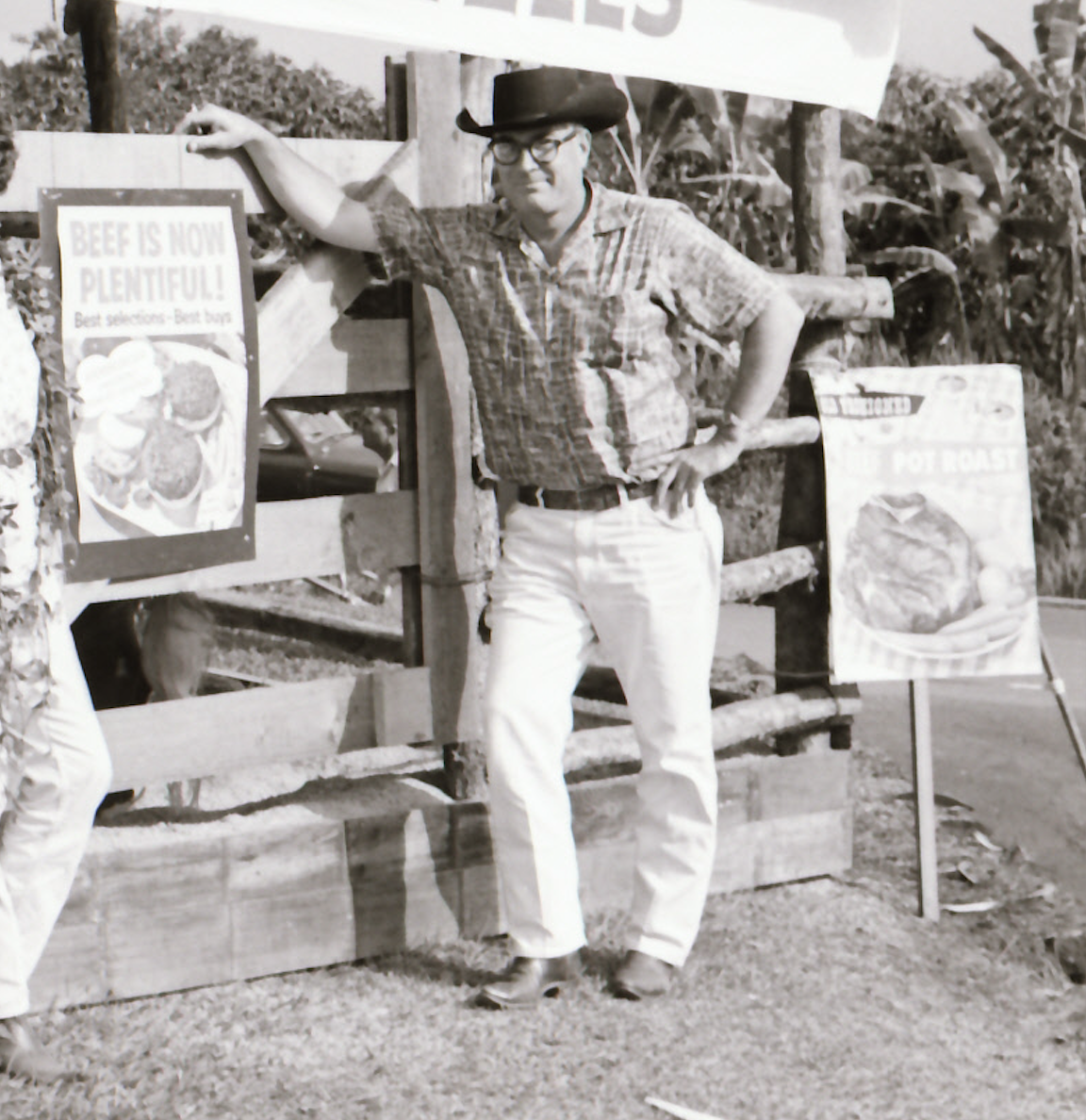
Bobby Hind
The oral history interview recorded on cassette tape with Bobby Hind, recorded and transcribed by Megan Mitchell, provides a detailed account of ranching life and land use in South Kona, revealing the complex relationships between labor, land ownership, and environmental adaptation in early 20th-century Hawaiʻi. Through Hind’s recollections, along with supplementary notes by Jim Passon, the interview traces the history of ranching areas such as McWayne Ranch and Honomalino, including the transition of land from German families during World War I to new ownership under J. B. Cassell. Hind describes ranching practices that often relied on unmanaged cattle herds, limited animal husbandry, and creative solutions to environmental challenges such as water scarcity across regions from Kailua to Keauhou. Ultimately, this interview is important because it preserves a firsthand perspective on how ranching communities in Kona adapted to shifting political conditions, economic realities, and environmental limitations, offering valuable insight into Hawaiʻi’s rural past.
If you’d like to learn more about the C.Q. Yee Hop Ranch Oral Histories Project, please note that the Jean Greenwell Library & Archive is a privately funded and operated research archive.
While our collections do not circulate, we are committed to supporting the public by providing resources and research assistance whenever possible. As a first step, we encourage researchers to explore materials available through public and state-funded libraries and archives, which often offer broader collections and public access policies.
If you are ready to schedule a research appointment for a fee, please visit Our Collections page to schedule your visit.
For inquiries into our collections and finding aids, please email khs@konahistorical.org.
FROM THE LIPS OF ONE GENERATION…
…TO THE EARS OF THE NEXT
Our Programs
The Kona Historical Society fulfills our mission to collect, preserve, and share Kona’s stories and unique sense of place through our many programs, both online and in-person. Many of these programs are free to visitors and students, thanks to our thriving community of members. Membership is one of the best ways you can support the Kona Historical Society and bring the history of Kona alive for more people.
Collections
Our rich archives help tell the stories of Kona’s past through collections of historical photographs, unpublished diaries, journals, letters, family records and memorabilia, land documents, and selected Kona newspapers and articles.
Education
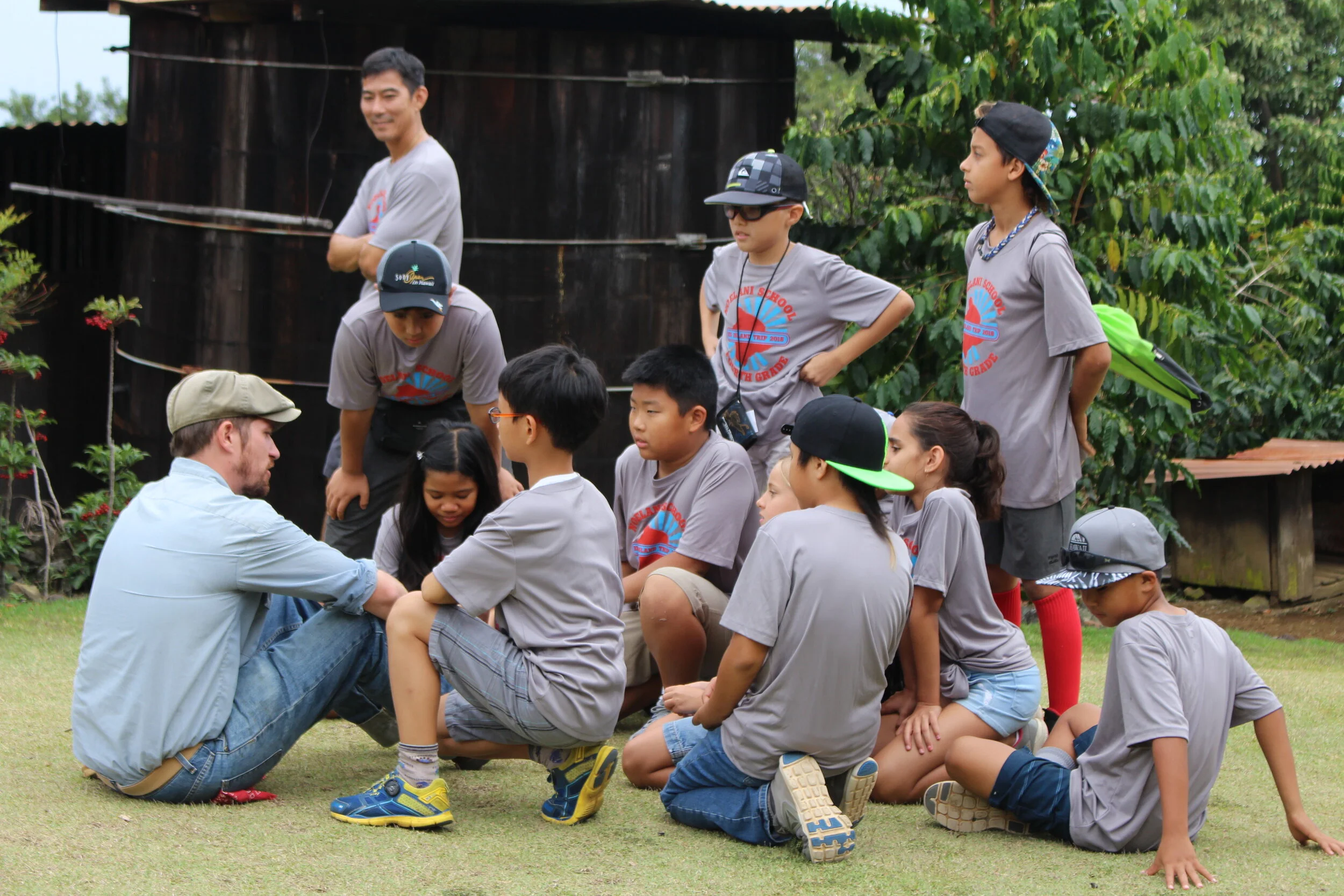
The Kona Historical Society offers on-site field trips, as well as a series of virtual field trips, for all Hawaiʻi schools. Check out our field trip page for details.
Programs
The Kona Historical Society has on-site programs in addition to offering some online programs so visitors and students can participate virtually. Resources such as Mondays with Maile, Story Time with the Kona Nightingales, and so much more are still available. Check out our Programs section for more information.
Historic Sites
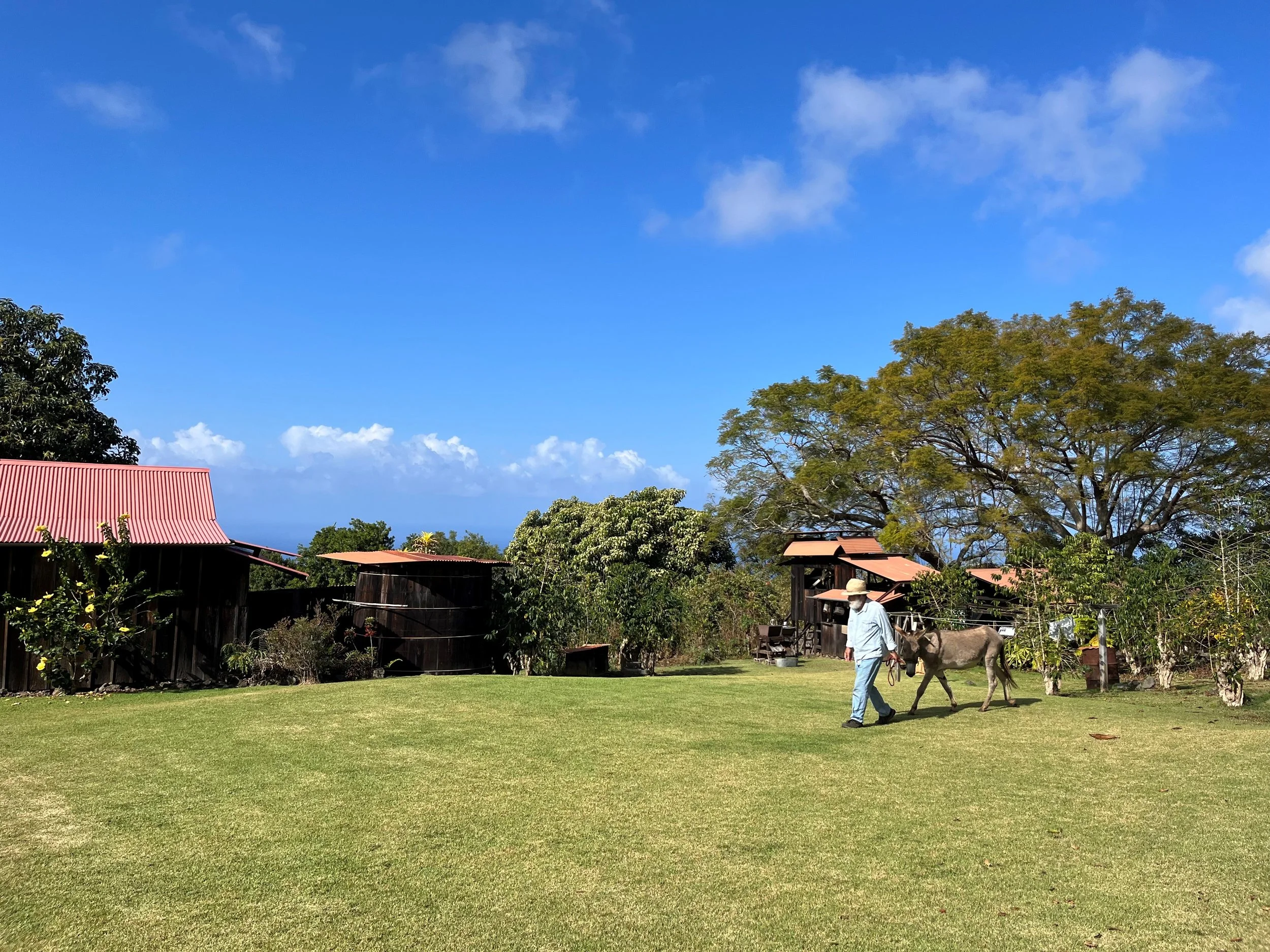
Visit us at the only living history coffee farm in the nation, help make traditional Portuguese bread in our stone oven, or explore the collections at the Jean Greenwell Library. Our historic sites are perfect for wandering back in time!
“
KONAWAENA ELEMENTARY SCHOOL
It was truly valuable and provided a real-time glimpse into the past that they would not have gotten anywhere else….The thoughts about past and present provided a great springboard for more wonderings and to reflect on history and the progress made from needs that people recognized.
Pattie Kunitomo / Virtual Field Trip
Get Involved
The Kona Historical Society depends on a strong community of volunteers, members, visitors, and lifelong learners. If you’re looking to learn more about the history of Kona or want to support our mission, there are several ways you connect with us!
Virtual Classroom
In addition to in-person field trips, we’ve designed a series of virtual field trips, for all Hawaiʻi schools.
We hope you will find something useful for your students in these engaging programs, whether that is a guided educational activity or simply a chance to try something new in your virtual classrooms.
Volunteer opportunities
Volunteering with Kona Historical Society is a great opportunity to let a few hours of your time turn into a history of new experiences to share with others.
KHS’ volunteer program is flexible and we have opportunities for both individuals and groups. We always have need for a variety of skills and experiences, so you don’t need to be a historian or an expert to apply!
Make a Donation
None of our programs and resources would be available without generous gifts from our donors and member community. Membership is one of the best ways you can support the Kona Historical Society’s mission of collecting, preserving, and sharing Kona’s stories and unique sense of place.
We also have sponsor opportunities for local businesses who want to get involved!